Asset of Cultural Interest, with the category of Historic Site. 2009.
The beginnings of the settlement that gave rise to the town date back to the 16th century, with the discovery of the Virgen de la Luz and the construction of the hermitage in her honour, around which the settlement of Guía de Isora grew.
The development of this centre has followed the alignments of two almost parallel streets, Calle de Arriba and Calle de Abajo, whose origin was the division of the old Camino Real (Royal Road). From these two streets, other secondary streets were born that cross them and facilitate access and communication within the historic centre. Two of them close off the complex delimited as a BIC on the sides, to the north and south respectively: Calle del Pintor Martín González and Calle Tagoro, which connects with Calle de La Vera.
This village is the capital of the municipality and is located in the midlands, at an altitude of 580 metres above sea level. It stands in a natural setting and is home to a historical site declared an Asset of Cultural Interest (BIC) in 2009 due to the preservation of a rich architectural heritage.
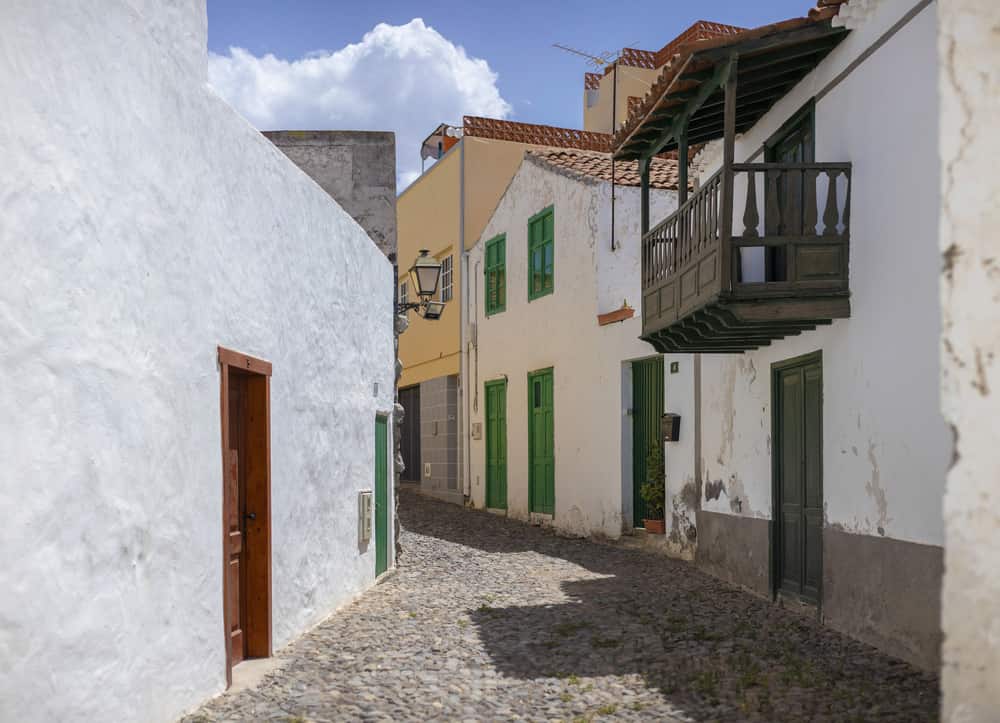
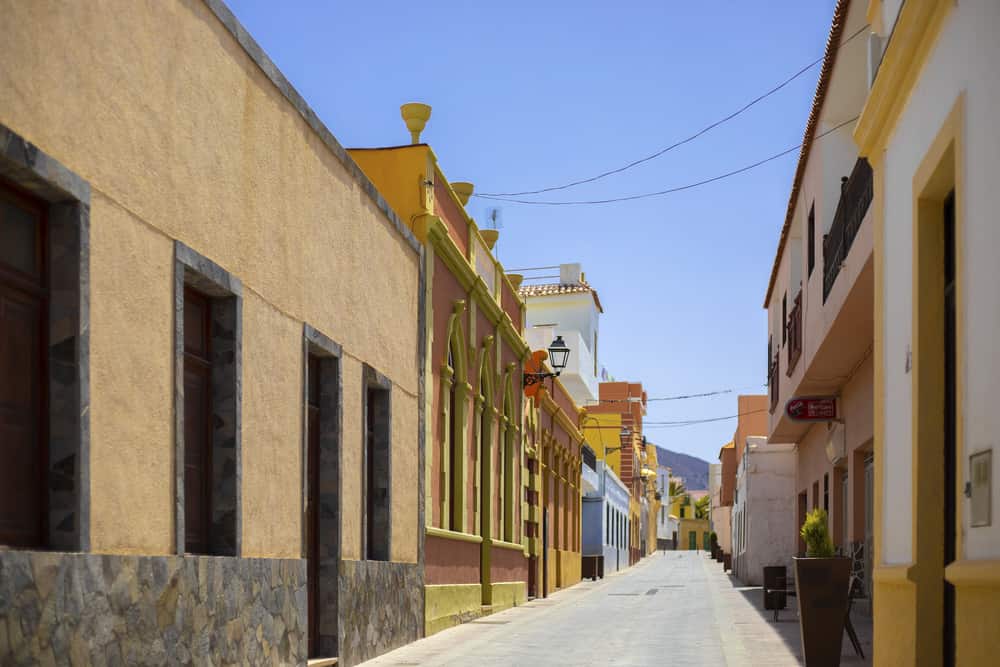
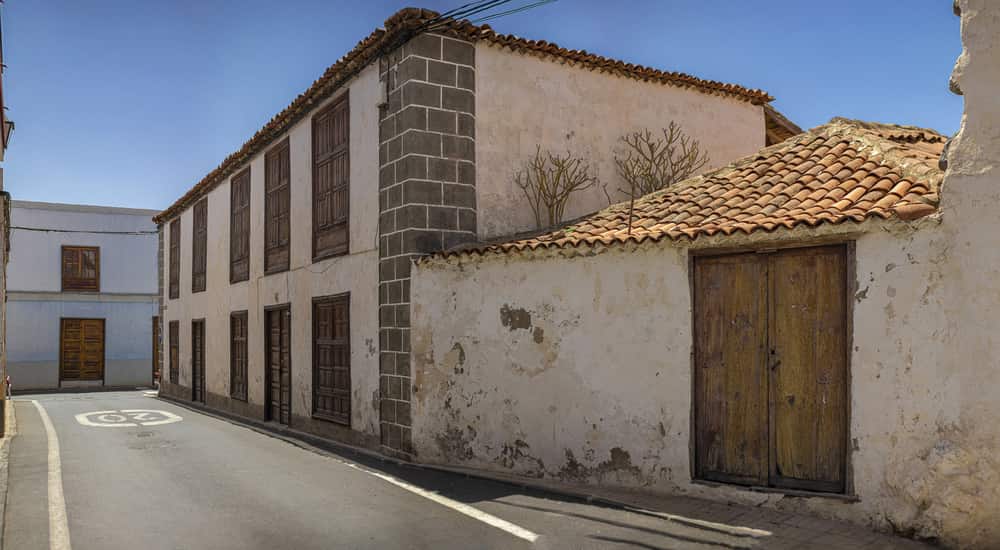
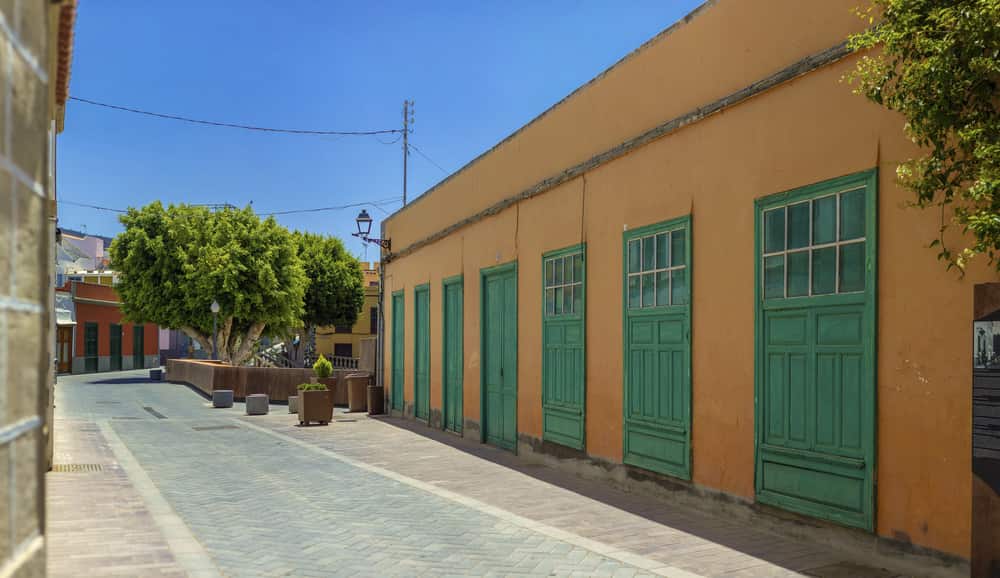
As proof of this, the visitor will find numerous representative buildings, mostly from the 19th and 20th centuries, of popular and rural domestic architecture, which tinge the town centre with bright colours.
For lovers of religious architecture, the church of Nuestra Señora de La Luz, of great historical-artistic and cultural value, stands out. In the church there are numerous works of religious heritage, including altarpieces, sculptures, paintings and numerous pieces of gold and silver work, as well as part of an embroidered mantle from the 18th century, which is one of the oldest fabrics in Tenerife. Of course, the image of the patron saint of Guía de Isora, Nuestra Señora de la Luz, and of the co-patron saint, the Cristo de la Dulce Muerte, can also be seen in the church.
During the tour of this historic site, we can lose ourselves in the narrow alleys and once again come across elements such as jets and washing places, which form part of the ethnographic heritage and which until a few decades ago were used on a daily and collective basis. These will take us back to the past and we will learn more about the cultural heritage of the village.